
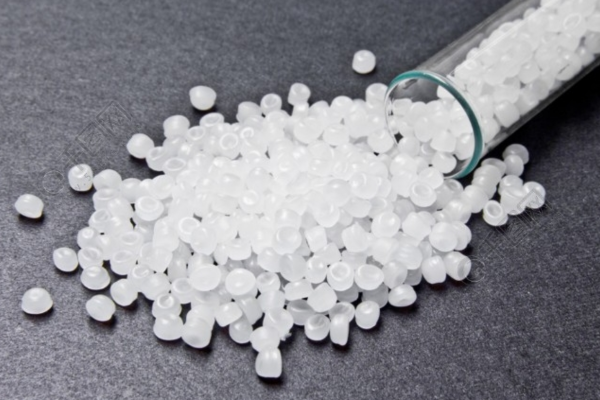
Introduction: Welcome aboard the journey through the fascinating world of polypropylene (PP), a versatile polymer that has woven itself into the fabric of our daily lives. From packaging to textiles, automotive parts to medical devices, polypropylene is omnipresent, yet its complexities often go unnoticed. Join us as we embark on an exploration of this remarkable material and uncover its myriad applications, properties, and sustainability aspects.
Understanding Polypropylene: Polypropylene, often referred to as the “forgotten plastic,” is a thermoplastic polymer renowned for its exceptional properties and versatility. It belongs to the polyolefin family, which also includes polyethylene, and is derived from propylene monomers. What sets polypropylene apart is its unique combination of characteristics, including high chemical resistance, low density, excellent fatigue resistance, and thermal stability. These properties make it an ideal choice for a wide range of applications across various industries.
Applications Across Industries: The versatility of polypropylene knows no bounds, with its applications spanning multiple sectors. In the realm of packaging, PP’s lightweight nature and moisture resistance make it an ideal choice for food packaging, beverage containers, and consumer goods packaging. Its durability and flexibility also make it a popular choice for automotive components, such as bumpers, interior trim, and battery cases. In the medical field, polypropylene is prized for its biocompatibility and sterilizability, making it suitable for applications like syringes, IV containers, and surgical instruments. Additionally, polypropylene’s insulating properties make it indispensable in the electrical and electronics industry for cable insulation and capacitor films.
Properties That Define Polypropylene: Delving deeper into the world of polypropylene reveals a treasure trove of properties that make it indispensable in various applications. Its high chemical resistance ensures longevity, even in harsh environments, while its low moisture absorption rate makes it ideal for outdoor applications. Polypropylene’s inherent stiffness and strength give it structural integrity, making it suitable for load-bearing applications, while its excellent heat resistance ensures stability at elevated temperatures. Furthermore, its ability to be easily molded, extruded, and welded allows for intricate designs and complex geometries, expanding its application possibilities even further.
Sustainability Aspects: In an era where sustainability is paramount, polypropylene stands out as a beacon of eco-friendliness. Unlike some other plastics, PP is fully recyclable and can be reprocessed multiple times without significant loss of properties. This recyclability, coupled with its lightweight nature, helps reduce carbon emissions during transportation and packaging. Moreover, advancements in biodegradable polypropylene offer promising solutions for mitigating plastic waste and environmental pollution, further enhancing its sustainability credentials.
Conclusion: As we conclude our expedition through the vast expanse of polypropylene, we emerge with a newfound appreciation for this remarkable material. From its unparalleled versatility and exceptional properties to its sustainability aspects, polypropylene continues to shape the world around us in profound ways. As we continue to innovate and explore new frontiers, polypropylene will undoubtedly remain a steadfast companion, guiding us towards a future where sustainability and functionality harmonize seamlessly.